A digital service carries weight.
Eco-design, accessibility, responsible use of AI: at Webqam, responsible digital practices are not a separate service. We measure them, we minimise them, and we explain them. We design every project, from the scoping phase through to launch, and beyond.
The question is no longer whether a tool can be built. It is whether it is worth building, and in what form.
Digital technology that is useful, legitimate and necessary.
Before adding a new feature, we ask our customers – and ourselves – three questions.
01
Is it useful?
It is a response to a real-world need, observed in the field, rather than a trend.
02
Is it legitimate?
What it offers justifies what it costs: in terms of energy, maintenance and attention.
03
Is it necessary?
If we can do without it without any loss, we do without it.
Four levers, incorporated right from the scoping stage
Eco-design
A decision filter, not an end-of-project option.
Right from the pre-sales stage, we agree a performance budget with the client based on the three EcoIndex parameters: page weight, number of requests and code complexity. This budget then guides every functional, design and technical decision.
61
criteria in our internal matrix
5
areas: strategy, UX/UI, front-end, hosting, architecture
Digital accessibility
Conceived right from the outset, and maintained over time.
Our teams are trained in accessibility requirements and we have aligned our quality standards with the RGAA. For the most demanding projects, we work with specialist organisations, such as Urbilog.
Artificial intelligence
A considered approach, rather than a knee-jerk reaction.
AI comes at a cost: in terms of computing power, technological dependence and data. We use it where it saves time without compromising quality.
Where it is appropriate, we explain its use, limitations and impact, so that the client can make an informed decision.
Infrastructure and data
Durability implies safety and high-quality maintenance.
We prioritise committed hosting providers, such as Datacampus and NFrance, both of which are French companies.
Protecting our clients’ data is our priority: cyber security, the GDPR and resilience.
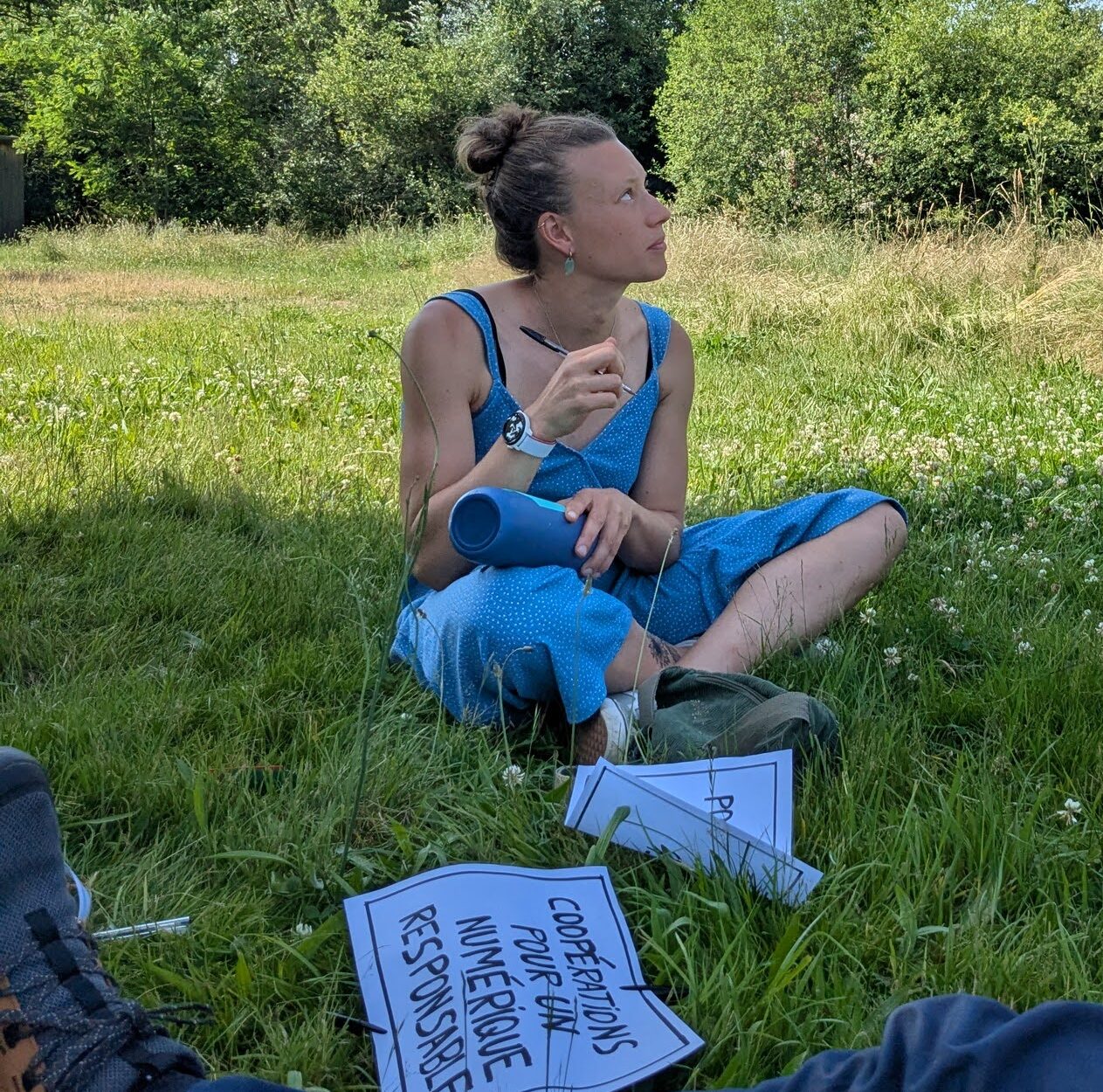


Over at Webqam
Reducing our environmental impact
We are working to decarbonise our operations and minimise our use of material and energy resources.
Webqam has signed up to the Business Pact for Climate Action, which informs our ‘Agir Webqam for 2035’ roadmap.
Sharing what we learn
Raising awareness of the impacts of digital technology and AI is part of our role: accessibility webinars, Digital Eco-design Day, and in-depth articles.
Taking action in our local area
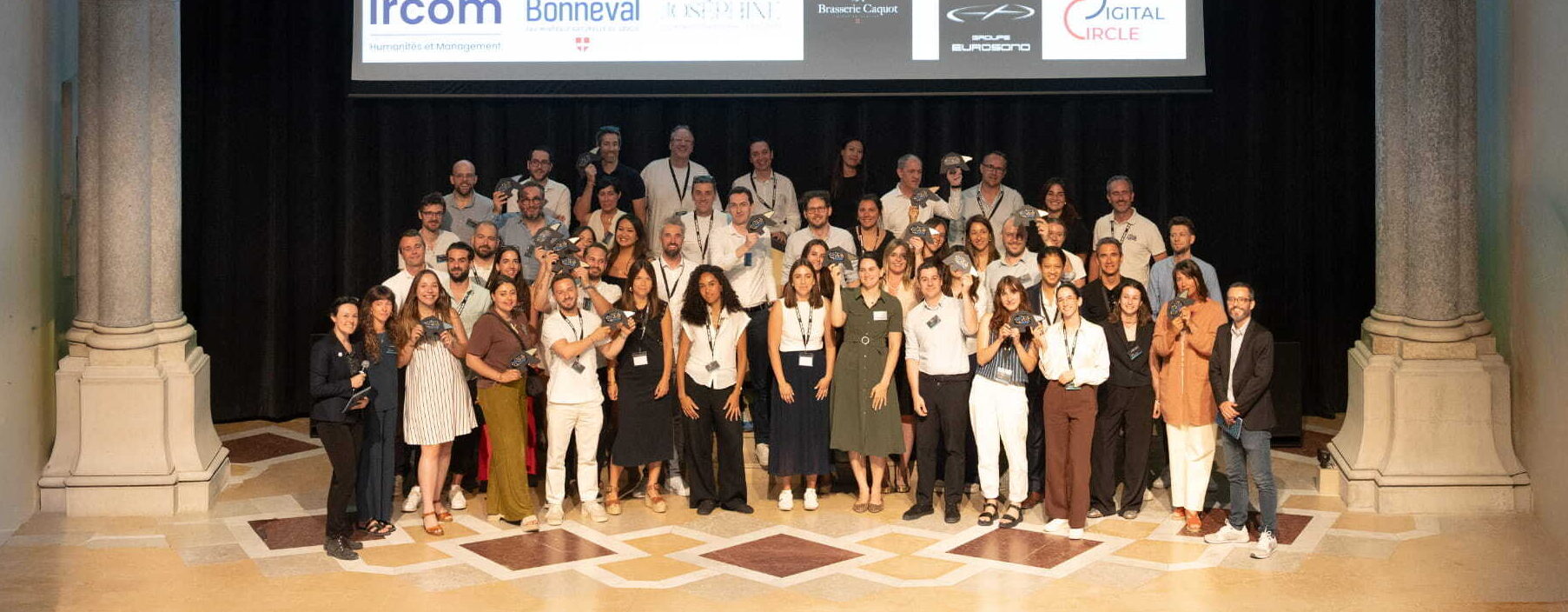
As a sponsor of the Saint-Étienne International Design Biennale for the past three editions, we took part in the conference entitled ‘A new equation for “less is more”’ in July 2025.
FAQ
What is an eco-designed website?
This website is designed to provide the same service whilst using fewer resources: lighter pages, fewer requests, and only the features that are actually useful. It is assessed using tools such as the EcoIndex and adheres to standards such as the RGESN.
Is an eco-designed website less effective or less attractive?
No. A minimalist approach often improves speed and the user experience. There are visual trade-offs, but these are limited and agreed with the client.
Is digital accessibility a legal requirement for my business?
Since 28 June 2025, the requirement has been extended to cover many private sector services, including e-commerce, for businesses with 10 or more employees and a turnover of more than 2 million euros. Beyond the legal requirement, an accessible website is easier for everyone to use.